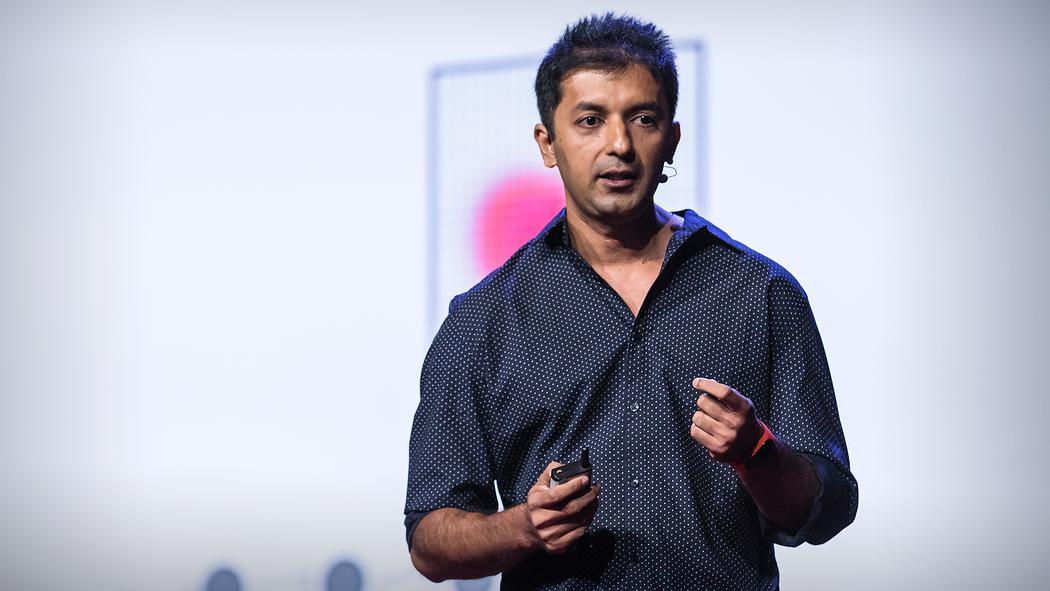

Artificial Intelligence and Diagnosing Diseases: A TED Talk by Pratik Shah
This Ted Talk by Pratik Shah provides an incredibly informative overview of the ways in which artificial intelligence (AI) is drastically changing the diagnosis process of serious diseases. AI is offering new insights into diagnosing and treating diseases faster and more accurately than ever before. In Shah's talk, he presents a clear and inviting explanation of how AI is being used in the healthcare field to make diagnoses more readily available on a global scale. Shah offers a compelling argument that AI is creating a revolutionary solution to a growing global problem.
TED Talks facilitate discussions on important topics particularly related to technology. In a TED Talk on "Ai Technology and the Risk of Error", experts in AI would focus on the implications of using artificial intelligence (AI) technology, and the risks of errors occuring. They can discuss the accuracy rate of AI, how errors made with AI can affect people in a variety of ways, and the solutions to reduce these errors. It is a timely topic particularly considering the increasing use of AI in various fields of work, and therefore will be important for viewers to understand the implications of AI use and any risks that come with it.
The use of AI technology has the ability to identify and correct errors in a variety of applications and systems. However, this technology introduces a unique set of risks that must be considered. One of the most significant risks associated with AI technology is the potential for algorithmic bias, which can lead to inaccurate or unjust decisions. Additionally, AI technology could introduce privacy concerns or safety risks through vulnerabilities in the infrastructure or system. Mitigating these risks requires thorough testing and evaluation of AI technologies before implementation. It is also important to ensure that there are mechanisms in place to evaluate AI output on a continuing basis to ensure that the technology is being used safely and responsibly. By understanding and considering the risks associated with AI technology, we can ensure that we are taking the necessary steps to mitigate them.
The topic of food has been explored in many TED Talks, as it is a vital part of the global population. These talks may be about better nutrition for all, the plight of food deserts, food waste, or urban and sustainable agriculture. TED Talks can provide insight into the science and business behind food production, as well as the social justice implications and ethical considerations that come with it. Additionally, talks may discuss the impacts of the changing food system and how food politics have an effect on scientists, politicians and citizens alike. TED Talks offer an informative and engaging way to learn about the many complexities of the food industry and our individual and collective food consumption choices.
Though AI has been used to help diagnose diseases more quickly and accurately, there are critics that argue that this technology does not make it easier to diagnose diseases. AI algorithms may be able to detect common patterns in a patient's symptoms, but are often unable to consider the patient's personal history and other nuances which can lead to a more accurate or appropriate diagnosis. Furthermore, analysis of data gathered by AI systems relies on accurate input from practitioners, meaning any misdiagnoses made by the practitioner is likely to be repeated in the outcome of the AI-generated analysis. Ultimately, AI can be extremely useful in assisting with the diagnostic process, but it does not make it easier for practitioners to make a more accurate diagnosis.
From Pratik Shah's Ted Talk, we can see that AI technology is making great strides in helping to diagnose diseases. From early detection of conditions to automated medical record-keeping, AI can vastly improve the accuracy and speed of medical diagnoses. By combining all of this data, these systems, once fully developed, can assist practitioners in making more nuanced, accurate diagnoses and may even offer a means for more personalized, preventative treatment. AI is demonstrably changing the healthcare field for the better and helping to improve health outcomes when it comes to diagnosing diseases.
 Pratik Shah